

Across North America, a quiet revolution is happening in garages, basements, and spare rooms. Everyday individuals are transforming unused items, clearance finds, and second-hand treasures into profitable ventures. What started as decluttering has evolved into a thriving reseller business model powered by Facebook Marketplace.
In 2026, local flipping is no longer a side hobby—it’s a structured income strategy. From suburban families in the United States to students in Canada and part-time sellers in the UK, resellers are scaling from neighborhood pickups to nationwide shipping and even global e-commerce expansion.
So what’s driving this rise? Let’s explore the key forces behind the “garage to global” movement.
The Foundation: What Is Local Flipping?
Local flipping is the practice of:
-
Sourcing undervalued items locally
-
Improving, repairing, or repositioning them
-
Reselling at a higher price for profit
The beauty of local flipping lies in its simplicity:
-
Low startup capital
-
No warehouse required
-
Immediate cash flow
-
Flexible working hours
Unlike traditional retail businesses, resellers don’t manufacture products—they identify value gaps in local markets.
Why the Reseller Business Is Booming in 2026
1️⃣ Economic Adaptability
Inflation and rising living costs across North America have created two simultaneous behaviors:
-
Buyers seek affordable alternatives.
-
Sellers seek additional income streams.
The reseller business bridges that gap perfectly.
2️⃣ Digital Accessibility
Through integration with Facebook, Marketplace offers:
-
Instant listing tools
-
Built-in local audiences
-
Messenger-based negotiations
-
Algorithm-driven visibility
Anyone with a smartphone can start selling in minutes.
3️⃣ Cultural Shift Toward Resale
Second-hand buying is no longer stigmatized. It’s smart, sustainable, and financially responsible. Millennials and Gen Z buyers, especially, prefer resale platforms for:
-
Furniture
-
Electronics
-
Fashion
-
Fitness equipment
Resellers are capitalizing on this mindset shift.
The Garage Model: Starting Small

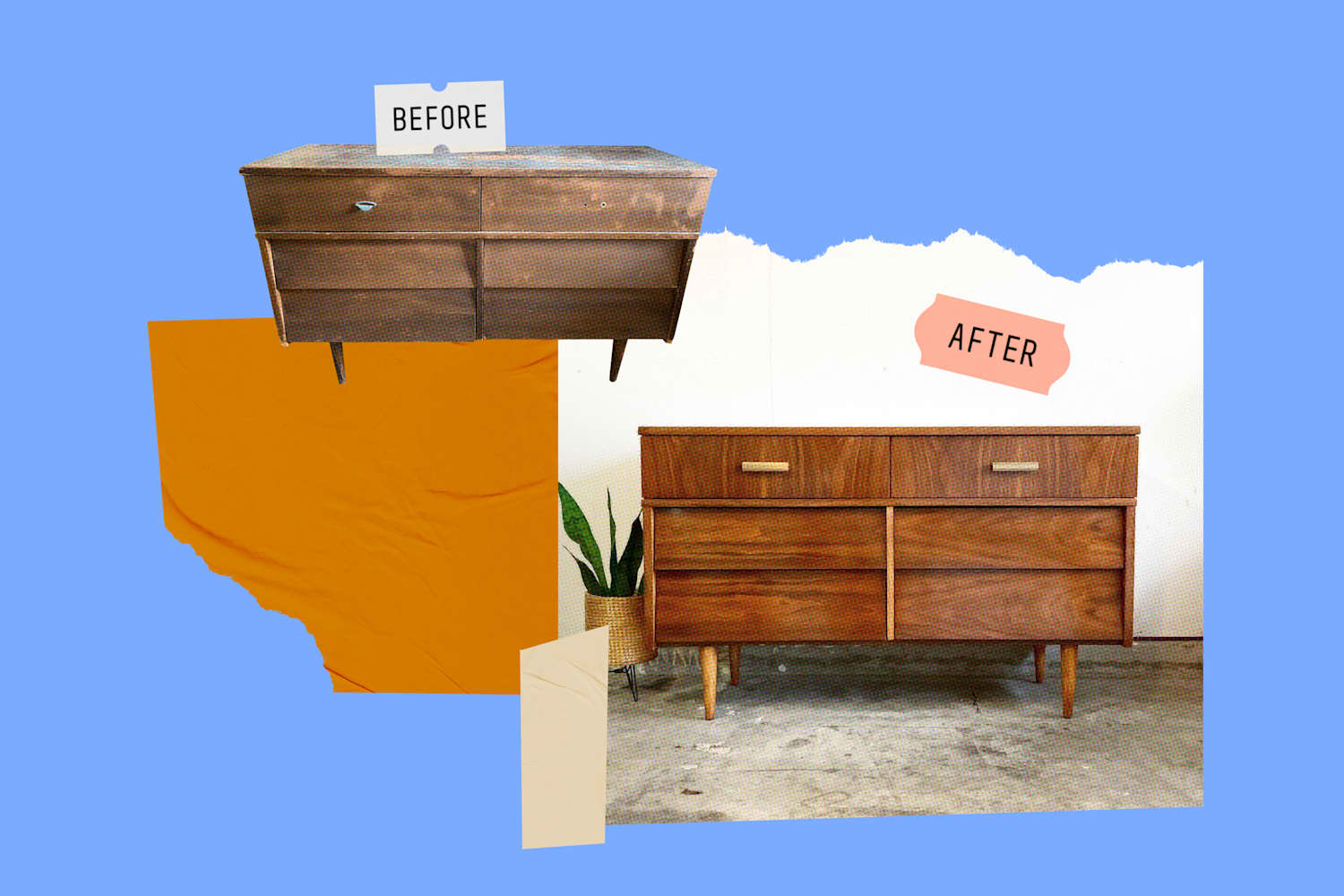

Most successful resellers start with:
-
Unused household items
-
Charity shop finds
-
Clearance sales
-
Estate sale purchases
Common First Categories:
-
Small furniture pieces
-
Smartphones & tablets
-
Power tools
-
Vintage decor
-
Gaming consoles
The key isn’t inventory size—it’s margin awareness.
Example:
Buy at $40 → Sell at $85 → Repeat consistently.
Consistency turns small flips into structured income.
Scaling From Local to Regional
Once sellers master sourcing and pricing, growth becomes intentional.
Step 1: Refine Pricing Strategy
Successful flippers analyze:
-
Comparable listings
-
Demand volume
-
Seasonal timing
They price competitively but leave negotiation room.
Step 2: Improve Presentation
High-performing listings include:
-
Clear, well-lit images
-
Transparent condition notes
-
Short but benefit-driven descriptions
Trust accelerates sales.
Step 3: Expand Inventory Sources
Advanced resellers source from:
-
Wholesale liquidation lots
-
Storage auctions
-
Bulk supplier clearances
-
Online arbitrage
This transforms local flipping into a structured reseller business.
Going Beyond Local: From Pickup to Shipping
In 2026, many North American resellers are transitioning from:
Local pickup → Regional delivery → National shipping
This shift is driven by:
-
Increased buyer confidence
-
Integrated payment tools
-
Stronger digital communication
What starts in a garage can now reach customers hundreds of miles away.
The Mindset Shift: Hobby vs Business
The biggest difference between casual sellers and scalable resellers is mindset.
Professional resellers:
✔ Track profit margins
✔ Reinvest earnings
✔ Monitor demand trends
✔ Build repeat customer relationships
✔ Diversify inventory categories
They treat flipping like a business, not a weekend activity.
Top Performing Categories in North America (2026)
-
Mid-century and minimalist furniture
-
Refurbished smartphones
-
Electric bikes
-
Home office equipment
-
Construction tools
-
Baby & children’s essentials
Seasonality also plays a major role in profitability.
Sustainability & the Circular Economy
Local flipping supports:
-
Waste reduction
-
Extended product life cycles
-
Lower consumer spending
-
Community-based commerce
The reseller business is now aligned with environmental responsibility, adding long-term relevance.
Why This Trend Is Here to Stay
Three major forces ensure continued growth:
-
Mobile-first selling convenience
-
Economic pressure encouraging resale
-
Cultural normalization of second-hand commerce
Facebook Marketplace sits at the center of this ecosystem, connecting supply and demand at hyperlocal levels while allowing sellers to scale.
Conclusion: From Side Hustle to Scalable Opportunity
The rise of local resellers in North America proves one thing: entrepreneurship no longer requires storefronts or massive capital.
A smartphone.
A garage.
A strategy.
That’s enough to start.
The reseller business model built on local flipping offers:
-
Flexibility
-
Low risk
-
Immediate revenue potential
-
Scalable growth
From garage shelves to regional expansion—and sometimes global reach—the opportunity in 2026 has never been more accessible.


